Here's a number that surprises almost everyone: a typical modern video slot has somewhere between 20 and 50 million possible reel combinations. Not thousands. Not hundreds of thousands. Millions. And yet, players still walk up to a machine, spin three times, and declare it "hot" or "cold." If you've ever done that, don't feel bad—but it's worth understanding what's actually happening every time you press that button.
This isn't an anti-gambling lecture. It's the opposite. The more you understand how iGaming products really work, the better your decisions become, whether you're spinning reels, chasing a flush, or sweating a four-team parlay on a Sunday afternoon.
Slots: It's All About RTP, Volatility, and Cycles
Every regulated slot has a Return to Player percentage—usually somewhere between 92% and 97%. That means, over millions of spins, the machine theoretically returns that much to players and keeps the rest. A 96% RTP slot keeps 4 cents of every dollar wagered, long-term.
But here's where people get confused. RTP is not a promise. It's a statistical average across an enormous sample size. If you play 100 spins on a 96% RTP machine, you might win 300% of your money back or lose everything. Both outcomes are perfectly consistent with RTP.
Volatility matters just as much. High-volatility slots like Money Train or San Quentin pay rarely but can pay enormously. Low-volatility slots like Starburst or Twin Spin pay frequently but in smaller amounts. Neither is "better"—they just suit different bankrolls and temperaments. Someone with $50 and an hour to kill is usually miserable on a high-volatility slot. Someone chasing a jackpot is bored to tears on a low-volatility one.
One thing that doesn't matter: streaks. Slots use Random Number Generators that spin continuously even when nobody's playing. The result of your next spin has zero connection to your last ten.
House Edge: The Only Number That Actually Matters
If you take one thing from this article, make it this. Every casino game has a mathematical house edge, and it varies wildly between games.
- Blackjack (basic strategy): roughly 0.5%
- Baccarat (banker bet): about 1.06%
- Craps (pass/don't pass with odds): under 1%
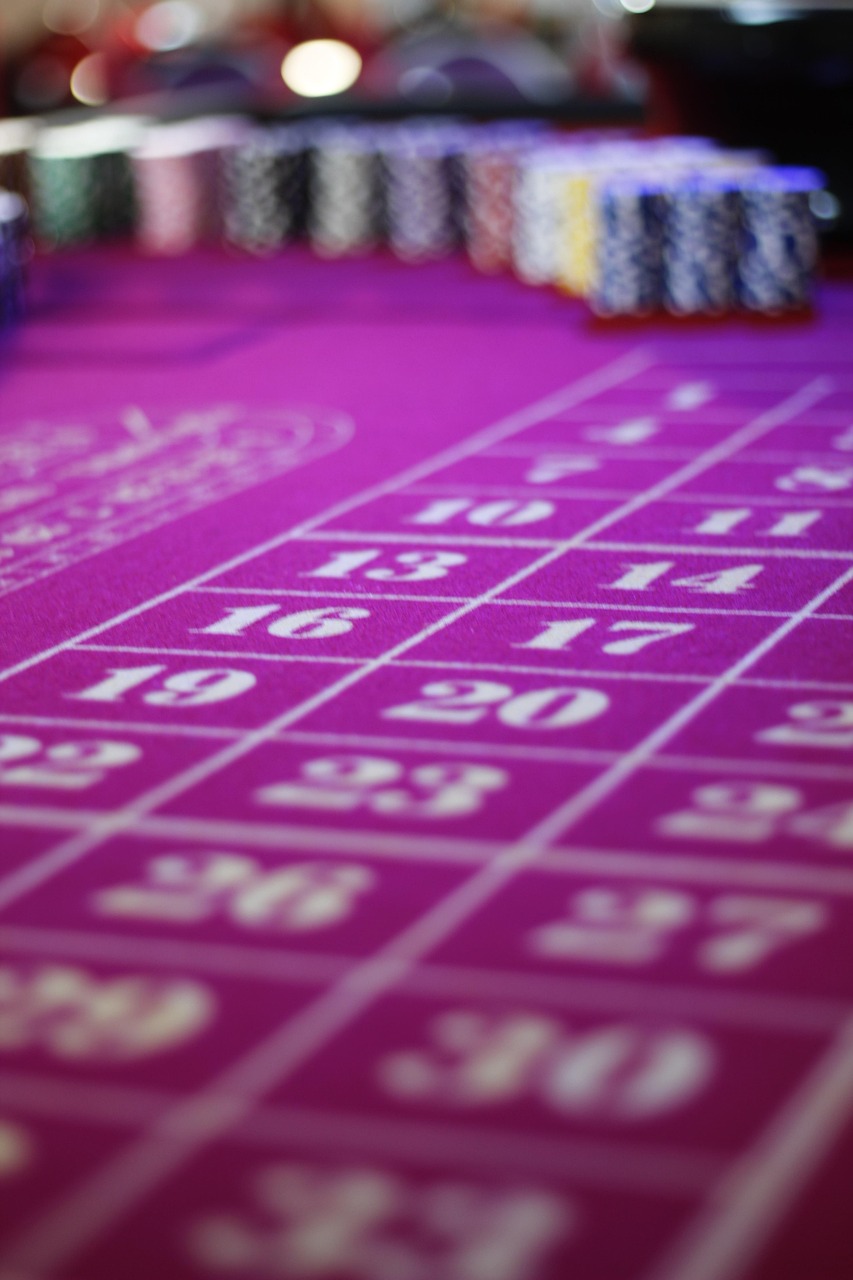
- European roulette: 2.7%
- American roulette: 5.26% (the extra 00 really hurts)
- Slots: typically 2% to 10%, depending on the machine
- Keno: often 25% or more
See the pattern? Table games with skill elements (blackjack, baccarat, craps) are dramatically friendlier than pure-chance games. That single extra zero on an American roulette wheel nearly doubles the house edge compared to European. If you're going to spend three hours gambling, that difference compounds fast.
Poker Is a Different Universe
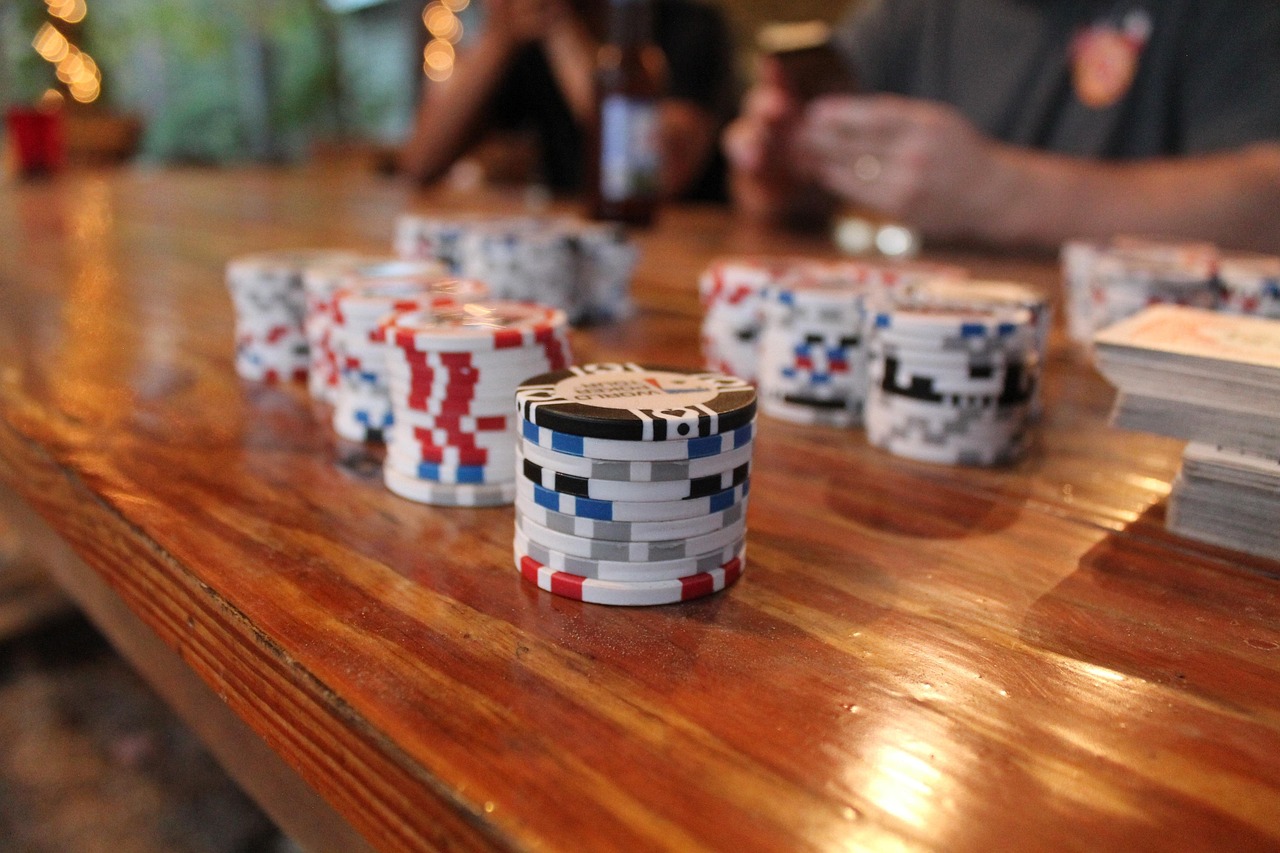
Poker doesn't have a house edge in the traditional sense—it has a rake. The casino takes a small cut of each pot (usually capped at somewhere between $3 and $5 in low-stakes games) rather than betting against you directly. That means, in theory, a skilled player can be a long-term winner.
In practice, most players aren't. Not because the game is rigged, but because the rake plus variance creates a brutal grind. To beat a $1/$2 live game sustainably, you generally need to be better than at least 70% of the players at your table. That's a higher bar than most people think.
If you're learning poker, start with these fundamentals: A good place to continue is slot dana.
- Play fewer hands than you want to. Tight is right at low stakes.
- Understand position. The button is worth more than any two cards.
- Track your results honestly. Most players overestimate their win rate by 50%.
- Play within a bankroll. Twenty buy-ins minimum for cash games.
The mental game is where most money is lost, not the math. Tilt—emotional decision-making after a bad beat—destroys more bankrolls than bad luck ever will.
Sports Betting: Vig, Line Movement, and Closing Numbers
Sports betting operates under a straightforward principle: the bookmaker wants roughly equal money on both sides, taking a guaranteed cut called the vig or juice. Standard pricing is -110 on each side, meaning you risk $110 to win $100. That implied 52.4% win rate needed to break even is the entire game.
Serious bettors focus on closing line value—whether the odds moved in their favor after they placed the bet. If you bet the Chiefs at -3 and they close at -5, you got a good number, even if you lose the bet. Over hundreds of wagers, consistently beating the closing line is one of the few proven ways to identify a winning bettor.
A few practical notes:
- Line shopping across multiple books can add 2-4% to your long-term ROI. It's the single easiest edge available.
- Parlays look exciting but multiply the house edge with every leg. A four-team parlay at typical odds carries a house edge over 20%.
- Promos, free bets, and odds boosts are where casual bettors can actually extract value. Use them aggressively.
Why All This Matters for Real Players
Understanding the mechanics doesn't ruin the fun—it makes the fun sustainable. Gamblers who know that slots are volatile by design stop chasing losses on a cold machine. Poker players who understand rake don't waste years grinding a game they can't beat. Sports bettors who track closing lines stop deluding themselves about their edge.
iGaming is entertainment. Treat it like a night at the movies, not a retirement plan. Set a budget, choose games with awareness of their math, and walk away when the budget is gone. The players who enjoy this world the longest are the ones who understand that the only guaranteed winners are the operators—so your job is to maximize fun per dollar, not to outsmart a machine with 30 million combinations.
Know the numbers. Enjoy the ride. Leave while you're still having fun.